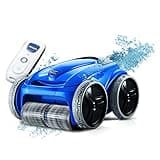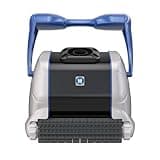

Are you tired of spending your weekends skimming leaves, scrubbing tiles, and battling algae in your swimming pool? It's time to embrace the future of pool maintenance with robotic pool cleaners. These high-tech devices can take the hassle out of pool cleaning, leaving you with more time to enjoy your backyard oasis. In this article, we will explore the best use cases for robotic pool cleaners, delve into the different types available, and present our top 5 picks for 2023.
Best Use Cases for Robotic Pool Cleaners
Convenience
Robotic pool cleaners are designed to automate the tedious task of cleaning your pool. They can navigate the pool's floor, walls, and waterline, tackling dirt, debris, and algae. With a simple press of a button, you can set the cleaner to work while you focus on more important things.
Energy efficiency
These devices use significantly less energy than traditional pool cleaning methods. As a result, you'll save on electricity costs and reduce your environmental footprint.
Thorough cleaning
Robotic pool cleaners use advanced technology like rotating brushes, powerful suction, and advanced navigation systems to ensure a comprehensive clean. This helps maintain a healthy, crystal-clear pool that is ready for use whenever you are.
Time-saving
With a robotic pool cleaner, you no longer need to spend hours manually cleaning your pool. These devices can complete the task in a fraction of the time, giving you more time to enjoy your pool with friends and family.
There are two primary types of robotic pool cleaners
Suction-side pool cleaners
These cleaners connect to your pool's skimmer or dedicated suction line, using the pool's existing filtration system to remove dirt and debris. While they are more affordable, they can place additional strain on your pool's pump and filter system.
Pressure-side pool cleaners
These devices connect to your pool's return line and use water pressure to propel themselves around the pool. They typically have a separate debris bag, which means they don't rely on your pool's filtration system. However, they may require a separate booster pump, adding to the overall cost.