
Rhode Island is known for its humid and subtropical climate, which can make growing a green and healthy lawn a challenging task. However, with the right techniques and fertilizers, you can achieve a vibrant and lush lawn in your Rhode Island home. In this article, we'll go over how to grow a green, healthy lawn in Rhode Island and the best fertilizers for different stages of grass development.
Preparing the Soil
Before planting any grass, it is essential to prepare the soil. In Rhode Island, soil tends to be clay-heavy and poorly drained, which can hinder grass growth. To combat this, you should aerate the soil by using a garden fork or a rented aerator to help loosen the soil and improve drainage. Adding compost to the soil can also improve its nutrient content and enhance the texture, making it easier for grass to establish roots.
Choosing the Right Grass
Not all grass varieties are suitable for Rhode Island's climate. Some of the best grass types for this region include Kentucky Bluegrass, Perennial Ryegrass, and Fine Fescue. These grasses are durable, require less water, and can tolerate the region's climate and soil conditions. Make sure to choose the right grass for your specific lawn needs.
Watering the Lawn
In Rhode Island, the weather can be unpredictable, and your lawn may require extra watering during periods of drought. It's important to water the lawn deeply but infrequently to encourage deep root growth. A good rule of thumb is to water the lawn every three to four days, ensuring that the soil is moist but not waterlogged.
Fertilizing the Lawn
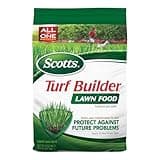
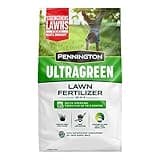
Fertilizing your lawn is essential to provide the nutrients it needs to thrive. Different stages of grass development require specific types of fertilizers. Here are some of the best fertilizers for each stage of grass growth:
Starter Fertilizer
This type of fertilizer is high in phosphorus, which helps to promote root development. It's ideal for new lawns or areas with thin grass coverage.
Summer Fertilizer
During the summer months, grasses need higher levels of nitrogen to remain healthy and vibrant. A slow-release nitrogen fertilizer is the best option for this stage.
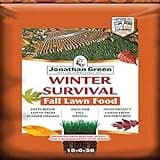
Fall Fertilizer
Fall is the ideal time to prepare your lawn for the winter months. A fertilizer high in potassium will help your grass to become more resilient and better able to withstand cold temperatures.